Homeowners in Tenafly, NJ face a common crossroads when a garage door starts making noise, sticks, or won’t open: attempt garage door repair yourself or call a pro? This guide compares DIY fixes and professional options so you can decide safely and confidently.
When DIY Makes Sense
Some garage door repair jobs are straightforward, low-risk, and cost-effective for a homeowner to handle. If you have basic tools and the door issue is cosmetic or minor, a DIY approach can save money.
Typical DIY tasks
- Lubricating rollers, hinges and tracks to stop squeaks and reduce wear
- Replacing weatherstripping to keep out drafts and moisture
- Tightening loose hardware and re-centering sensors for opener alignment
- Resetting garage door opener codes or replacing batteries in remotes
These tasks require limited time and minimal risk. For Tenafly homeowners doing simple maintenance, follow manufacturer instructions and local safety advice.
When to Call a Professional
Not all garage door repair problems are safe to DIY. Professional technicians bring tools, training, and insurance that reduce risk and limit costly mistakes.
High-risk repairs
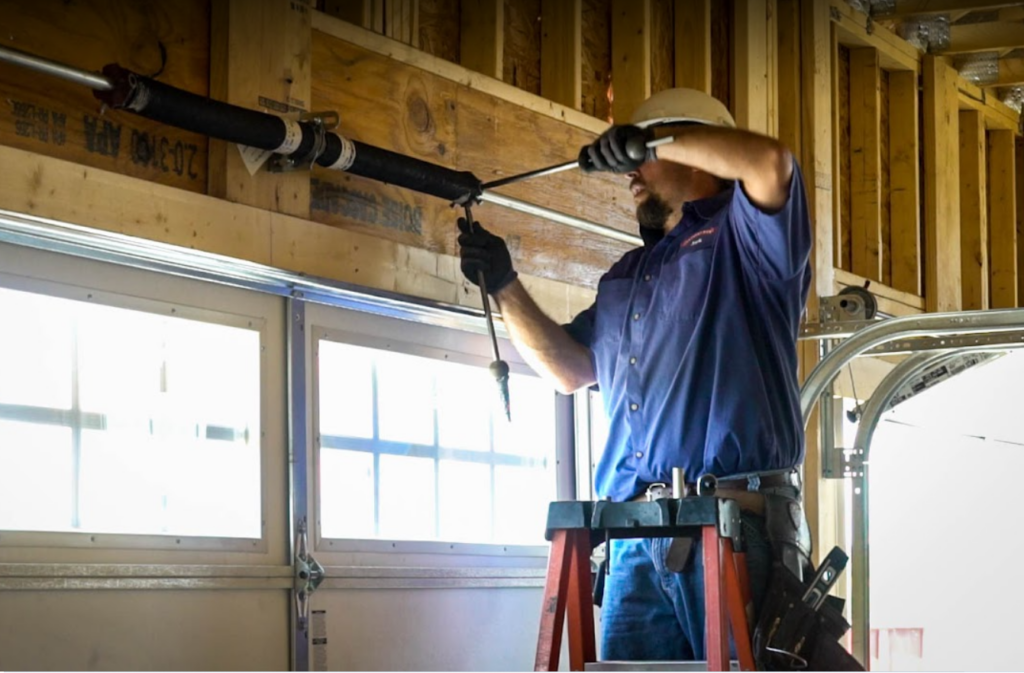
- Broken torsion or extension springs — springs store a lot of energy and can cause injury if they snap during removal or installation.
- Cable replacement or drum work — cables run under tension and require precise alignment.
- Track realignment for bowed or bent tracks that affect door balance.
- Opener motor replacement or complex electrical faults.
If the issue affects door balance or safety features, a certified technician is the safer choice. Professionals also provide dependable warranties and code-compliant repairs.
Comparing Costs, Time, and Value
Tenafly weather and home styles influence the condition of garage doors. Coastal and winter exposure accelerates corrosion and wear on moving parts. When weighing DIY vs professional garage door repair, consider these practical points:
Upfront costs
- DIY: parts cost plus tools you may already own. Small fixes can run $20–$150.
- Professional: service call fees, parts, and labor. Expect higher immediate cost, but often a faster and more lasting result.
Hidden costs and risks
- Incorrect spring work can damage the door or cause injury — potentially resulting in higher repair bills.
- Improper opener installation may void warranties or create security vulnerabilities.
For homeowners prioritizing long-term reliability, hiring a pro for critical garage door repair reduces repeat expenses and protects property value.
Practical Decision Guide for Tenafly Homeowners
Use this checklist before you start a garage door repair project:
- If the problem is noisy hardware, sensor misalignment, or worn weather seals — consider DIY maintenance.
- If springs, cables, tracks, or opener motors are involved — schedule a professional repair.
- Check local permit rules for structural modifications; contact the town if unsure.
- Compare the cost of parts plus your time against a professional estimate — call for a quote when in doubt.
For real examples, our service pages outline common fixes and what technicians do during a service visit. Learn more on our services page.
Seasonal tips
In Tenafly winters, snow and road salt can corrode components. Schedule preventive inspection before winter and after heavy storms. Regular tune-ups extend the life of garage doors and reduce emergency repair needs.
What to Expect from a Professional Visit
A qualified technician will assess door balance, inspect springs and cables, test the opener, and verify safety sensors. Expect a clear estimate, recommended timeline, and warranty terms for parts and labor.
If you decide to get professional help, use our contact form to arrange an inspection and estimate: Contact us.
Quick DIY Safety Checklist
- Unplug the opener before working on the door.
- Never remove or adjust springs without proper tools and training.
- Work with a partner when testing door balance.
- Use manufacturer parts to protect warranties.
Not sure whether to DIY or call a technician? Read local posts and repair tips on our blog to see examples and step-by-step guidance: blog.
Choosing between DIY and professional garage door repair comes down to the specific problem, your skill level, and safety. For simple maintenance do it yourself; for anything involving springs, cables, or structural issues, hire a licensed technician.
Next steps
Make a short list: note the symptoms, photograph the door mechanism, and decide if you can safely perform the task. When you need expert help, schedule a prompt service visit to avoid further damage or safety risks.
Frequently Asked Questions — Tenafly, NJ
A: Cold winters and road salt can cause rust on springs, rollers and tracks. Inspect before winter and lubricate parts to reduce corrosion and binding.
A: Most onsite repairs (springs, cables, opener diagnostics) take 60–90 minutes. More complex replacements may require ordering parts and a return visit.
A: Small fixes like sensor alignment often run under $150. Spring or cable replacement typically ranges from a few hundred to about $600–$900 depending on door type and parts.
A: Reputable local companies provide limited warranties on parts and labor—ask for written terms before work begins to confirm coverage length and exclusions.
A: Minor repairs rarely need permits, but structural replacements or changes to openings may. Check Tenafly building department rules or ask your contractor to verify.
Helpful local resources in Tenafly, NJ
- Garage Door Repair Hoboken
- Garage Door Repair Montclair
- Garage Door Repair Westfield
- Garage Door Repair Summit
- Garage Door Repair Maplewood
- Garage Door Repair Livingston
- Garage Door Repair Short Hills
- Garage Door Repair Princeton
- Garage Door Repair Red Bank
- Garage Door Repair Morristown
- Garage Door Repair Chatham
- Garage Door Repair Mendham
- Garage Door Repair Bernardsville
- Garage Door Repair Bedminster
- Garage Door Repair Clinton
- Garage Door Repair Tenafly
- Garage Door Repair Ridgewood
- Garage Door Repair Upper Saddle River
- Garage Door Repair Wyckoff
- Garage Door Repair Basking Ridge
- Garage Door Repair South Orange
- Garage Door Repair Teaneck
- Garage Door Repair Fort Lee
- Garage Door Repair East Brunswick
- Garage Door Repair Montvale
- Garage Door Repair Haddonfield
- Garage Door Repair Marlboro
- Garage Door Repair Cranford
- Garage Door Repair Voorhees
- Garage Door Repair North Caldwell